

FOB, CIF, EXW: What These Shipping Terms Actually Mean When You Buy from China

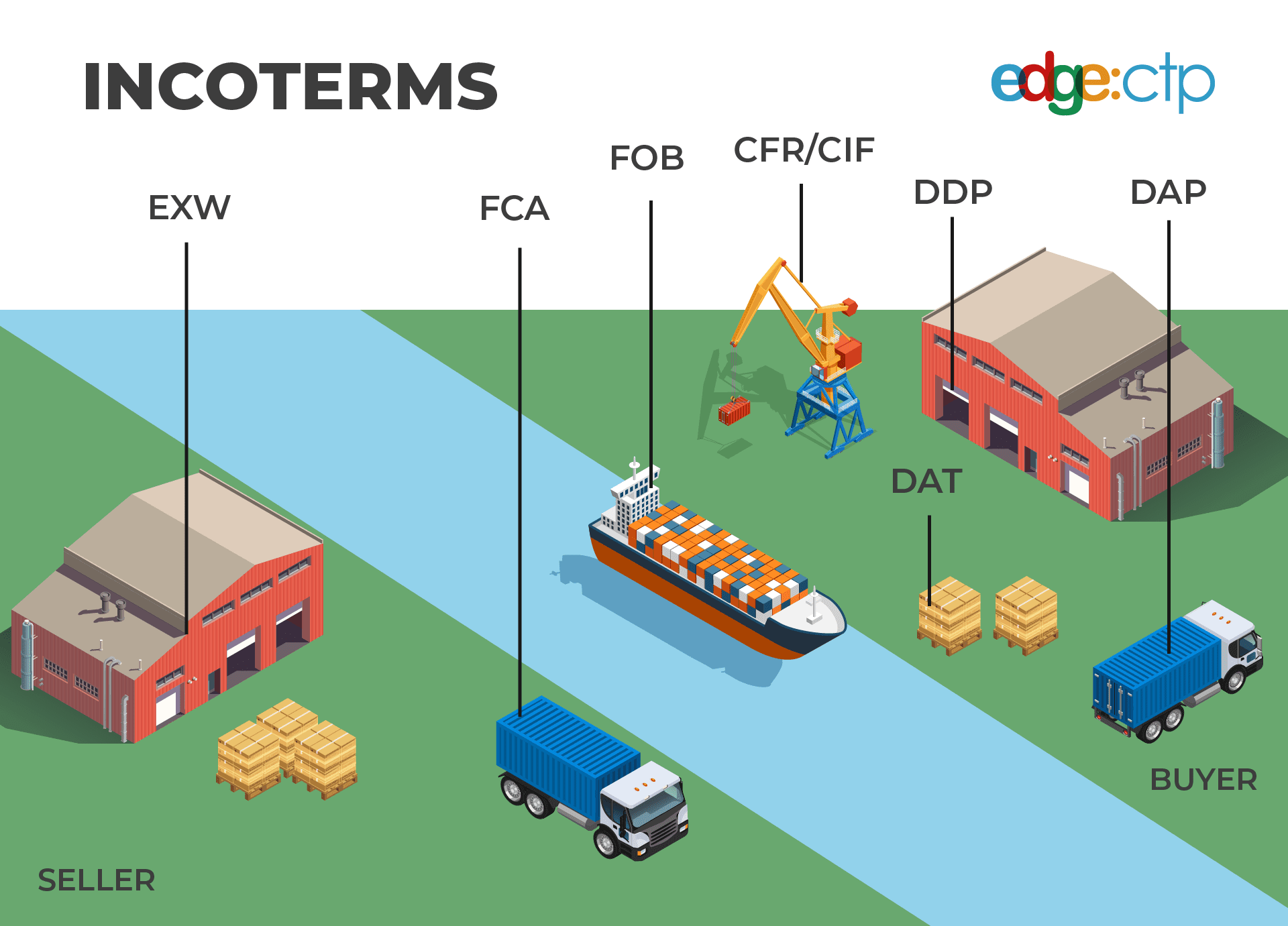
The first time a Chinese supplier sent me a quote with “FOB Ningbo” at the top, I nodded like I understood and then spent 45 minutes on Google trying to figure out what it meant.
I’ve been working in China product sourcing for over 20 years, helping importers across 80+ countries navigate everything from factory selection to final delivery. And I can tell you honestly: the confusion around FOB, CIF, and EXW is one of the most common reasons first-time buyers end up paying way more than they should — or get a nasty surprise when something goes wrong mid-shipment.
So this guide is the one I wish existed when I was starting out. Plain English. Real examples. No logistics jargon for its own sake.
Why Shipping Terms Matter More Than You Think
When you get a price quote from a Chinese supplier, that price doesn’t mean the same thing every time. A $4.50/unit price under EXW terms is not the same as a $5.20/unit price under CIF terms — even if $4.50 sounds cheaper. The difference can easily be $1,000–$3,000 on a single shipment once you account for who’s responsible for what.
These terms are called Incoterms — short for International Commercial Terms. They’re a set of standardized rules published by the International Chamber of Commerce (ICC) that define exactly where the seller’s responsibility ends and the buyer’s responsibility begins. Every international trade contract uses them.
You don’t need to memorize all 11 Incoterms. When buying from China, you’ll mostly encounter three: EXW, FOB, and CIF. Here’s what they actually mean in practice.
What it means: The seller’s job is done the moment your goods are packed and sitting in their factory. Everything after that — trucking to the port, export customs in China, ocean freight, insurance, import customs in your country, delivery to your door — is your problem and your cost.
Why suppliers quote it: It’s the lowest base price because the seller does the least. Many smaller factories default to EXW because they simply don’t have export experience or relationships with freight forwarders.
What You’re Actually Responsible For Under EXW
Here’s where first-time buyers get shocked. Under EXW, you must organize:
- A truck from the factory to the port (in China, where you likely have no contacts)
- Chinese export customs clearance (requires a licensed Chinese customs broker)
- Port handling fees at origin
- Ocean freight booking
- Marine insurance
- Customs clearance at your destination country
- Import duties and taxes
- Final delivery from port to your address
In practice: If you buy 500 pieces of wholesale toys from a factory in Shantou, and they quote you EXW Shantou, you’d need to either hire a freight forwarder with a China presence to handle the China-side logistics, or have a local agent do it. Without either, the goods just sit at the factory.
Bottom line on EXW: The per-unit price looks great. The actual landed cost — once you add up all the China-side logistics — is often more expensive than FOB, because you’re cobbling together services in a country you don’t operate in. Only choose EXW if you have a very experienced freight forwarder who specifically says they can handle the China-side pickup efficiently.
What it means: “Free on Board [named port]” means the seller gets your goods packed, trucked to the named Chinese port, through Chinese export customs, and loaded onto the ship. From the moment those goods are on the ship, the responsibility — and the risk — transfers to you.
About 70% of China’s exports are traded under FOB terms. It’s the industry default for a reason.
What Each Party Does Under FOB
The seller (your Chinese supplier) handles:
- Manufacturing and packing the goods
- Inland transport from factory to the Chinese port (e.g., FOB Ningbo, FOB Shanghai, FOB Shenzhen)
- Chinese export documentation and customs clearance
- Port handling fees at origin
- Loading onto the vessel
You (the buyer) handle:
- Booking the ocean freight (through your freight forwarder)
- Marine insurance (strongly recommended — get it)
- Destination port handling fees
- Import customs clearance in your country
- Import duties and taxes
- Delivery from destination port to your warehouse